Als ich Günther Kieser 2008 kennenlernte, da ging es darum, die Sammlung seiner Plakate im Deutschen Plakat Museum zu ergänzen und eine Ausstellung vorzubereiten, die für das Jahr 2010 vorgesehen war. Die Treffen waren intensiv und interessant. Nach der Ausstellung hatten wir immer wieder mal Kontakt zu der einen oder anderen Gelegenheit, es entwickelte sich ein fast freundschaftlicher Austausch und immer ging es um Plakate. Um seine Arbeitsweise, Ideenfindungen, Erfolge und hin und wieder auch über frustrierende Momente.
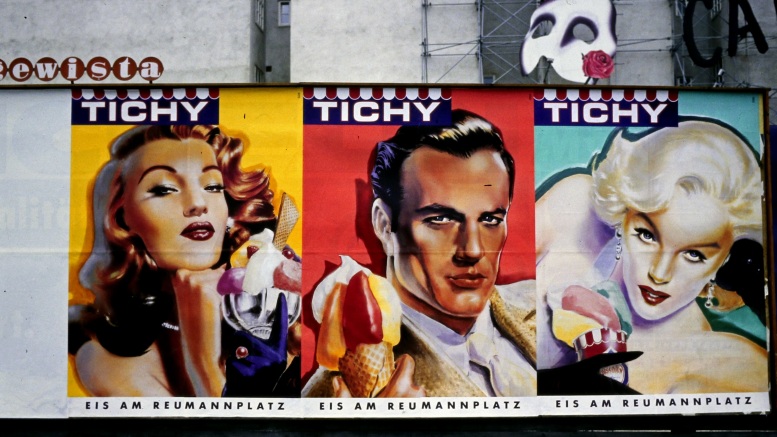
Im Jahr 2020 fragte er mich, ob ich die rund 1.000 DIAS übernehmen wollte, die er auf einer Weltreise 1988/1989 aufgenommen hatte, in denen es um die Platzierung der Plakate im öffentlichen Raum ging. Ich sagte sofort ja ohne zu wissen, was genau da auf mich zukommt.
Es sind Schnappschüsse aus dem Auto oder der Bahn oder beim Bummeln durch die Stadt, alles was ihm interessant erschien wurde abgelichtet. Viele der Aufnahmen sind im flüchtig Spontanen entstanden.
Was für ein Schatz! Ein Blick in die Welt vor den großen Umbrüchen. Der Ostblock sah noch ganz stabil aus und die Digitalisierung in Entwurf, Vermarktung und Präsentation begann erst Anfang der 1990er Jahre. Ein besonderer Moment in der Geschichte, in dem auch das Plakat noch einen ganz besonderen Stellenwert hatte.
Was mache ich jetzt damit, war die Frage der Fragen? Zuerst ließ ich alle DIAS digitalisieren, damit ich mir einen Überblick verschaffen konnte, dann wurde sortiert, bearbeitet und ausgewählt.
Einzelne Motive habe ich für Ausstellungspräsentationen oder in Vorträgen genutzt, aber das kratzt ja nur an der Oberfläche. Deshalb ist diese „Zeitung“ entstanden, die einen größeren Einblick gibt in den Fundus.
Daraus sollte man mehr machen, vielleicht ist es eine tolle studentische Aufgabenstellung. Zu solchen Experimenten hat mich Kieser ausdrücklich ermuntert, also melde sich bitte, wer eine gute Idee hat.
In Dankbarkeit für diesen Schatz:

Zum Anklicken:
PDF: KIESER-ZEITUNG_2026-10
When I met Günther Kieser in 2008, the aim was to expand the collection of his posters held by the German Poster Museum and to prepare an exhibition scheduled for 2010. Our meetings were intense and fascinating. After the exhibition, we continued to cross paths from time to time and on various occasions. An exchange developed that was almost a friendship, and it was always about posters: his way of working, the genesis of ideas, successes and, every now and then, moments of frustration.
In 2020, he asked me whether I would like to take on the approximately 1,000 slides he had taken during a trip around the world in 1988/1989, documenting the placement of posters in public space. I immediately said yes, without knowing exactly what I was getting myself into.
They are snapshots taken from cars and trains or while strolling through cities; anything that struck him as interesting was photographed. Many of the images were from fleeting, spontaneous moments.
What a treasure! A glimpse of the world before the big transformations. The Eastern Bloc still appeared firmly in place, while the digitalization in design, marketing and presentation would only begin in the early 1990s. It was a particular moment in history, one in which the poster still occupied a very special place.
What was I to do with all this? That became the central question. First, I had all the slides digitized so that I could get an overview, then came the process of sorting, editing and selecting.
I have used individual motifs in exhibition presentations and lectures, but that barely scratches the surface. This „newspaper“ was therefore created to offer a broader view into this remarkable archive.
More should be made of it. Perhaps it could provide a fascinating assignment for students. Kieser expressly encouraged me to undertake such experiments, so anyone with a good idea is warmly invited to get in touch.
In gratitude for this treasure:
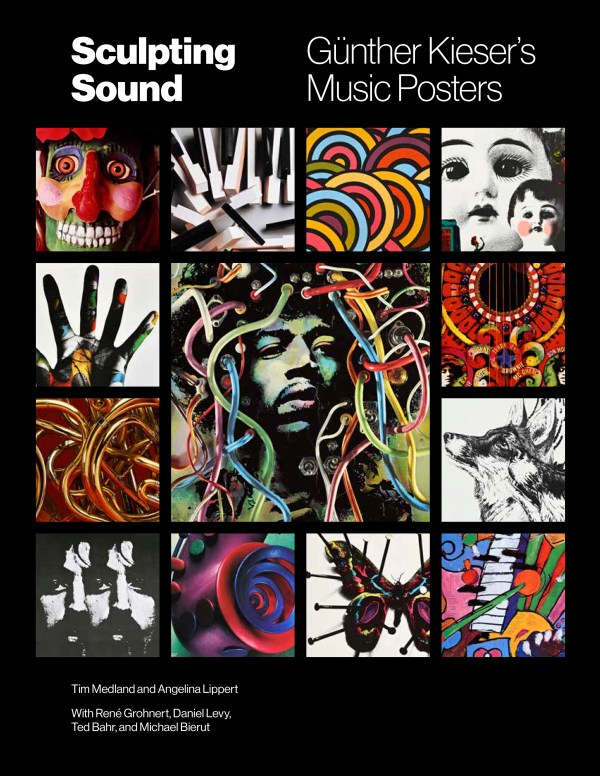
Exhibition: Sculpting Sound: Günther Kieser’s Music Poster, November 12, 2026–April 11, 2027, Poster House, New York